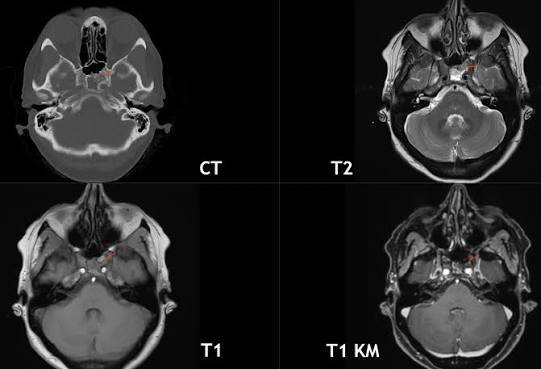
CT Scan vs MRI: Which One Do You Need and Why?
Quick answer: a CT scan uses x-rays and is fast (often just seconds of scanning, usually done within 30 minutes), […]
Quick answer: a CT scan uses x-rays and is fast (often just seconds of scanning, usually done within 30 minutes), […]
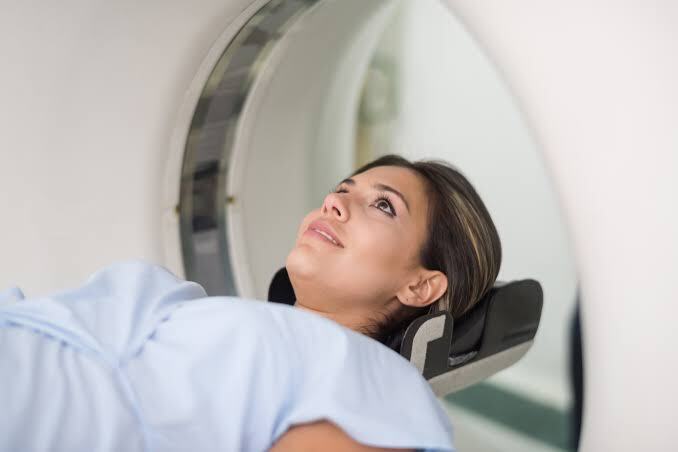
Quick answer: a CT scan is fast and painless. You lie on a narrow table that moves through a short, […]
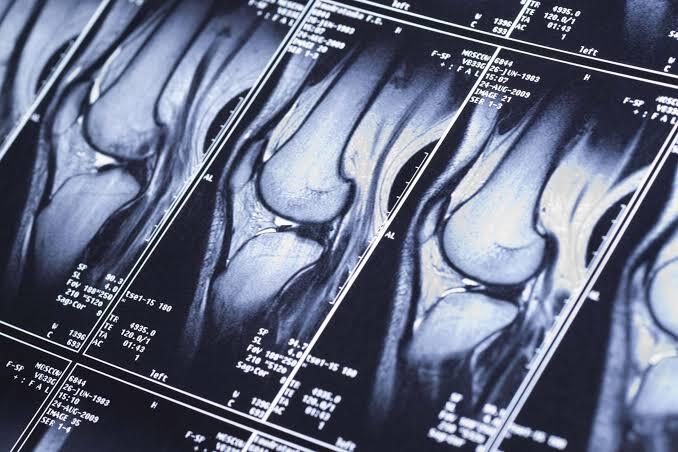
Quick answer: a knee MRI shows the bones, cartilage, meniscus, ligaments, tendons, muscles and blood vessels of the knee in […]
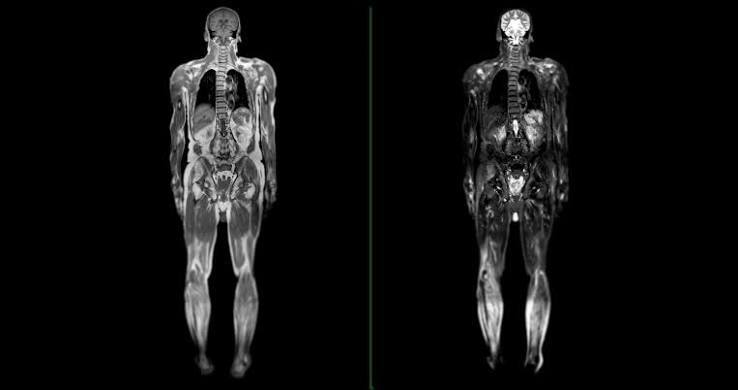
Quick answer: for most healthy adults with no symptoms and no special risk, probably not, at least not yet. A […]
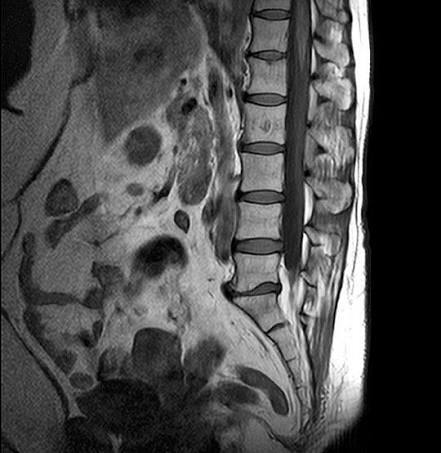
Quick answer: a lumbar spine MRI takes detailed pictures of your lower back, including the vertebrae, discs, spinal nerves and […]
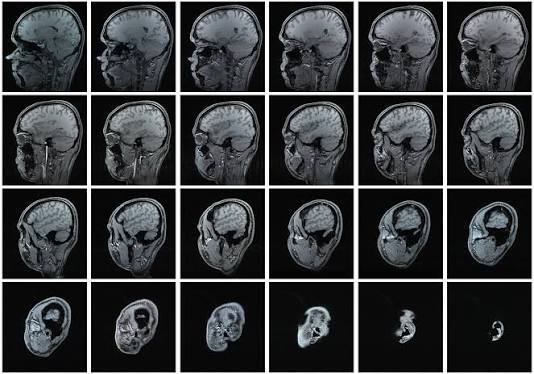
Quick answer: a brain MRI (also called a head MRI) uses a strong magnet and radio waves, not radiation, to […]

Quick answer: in most cases, yes. Joint replacements, plates, screws and dental work are generally not a safety problem, and […]
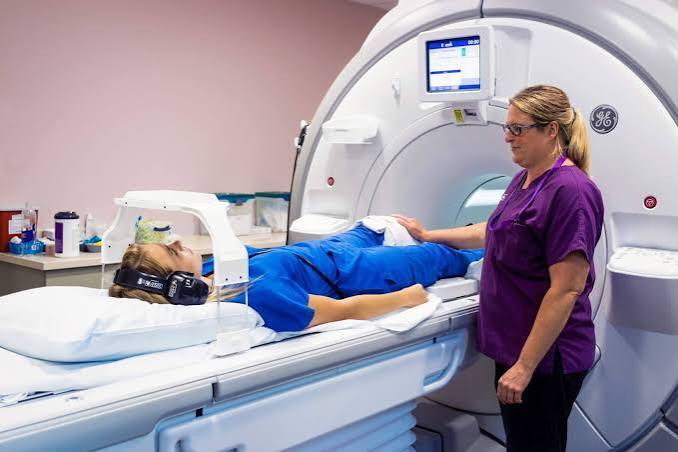
Quick answer: an MRI is loud because powerful electrical currents switch on and off inside coils within the scanner. In […]
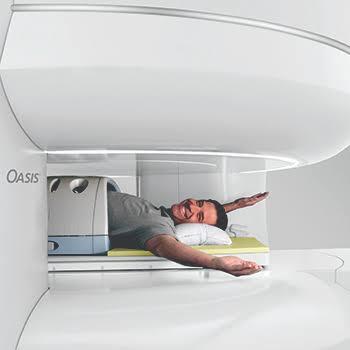
Quick answer: feeling anxious in an MRI is very common, but most claustrophobic patients complete their scan. Tell the imaging […]

Quick answer: an MRI with contrast includes an injection of a gadolinium-based agent into a vein, which makes certain tissues […]