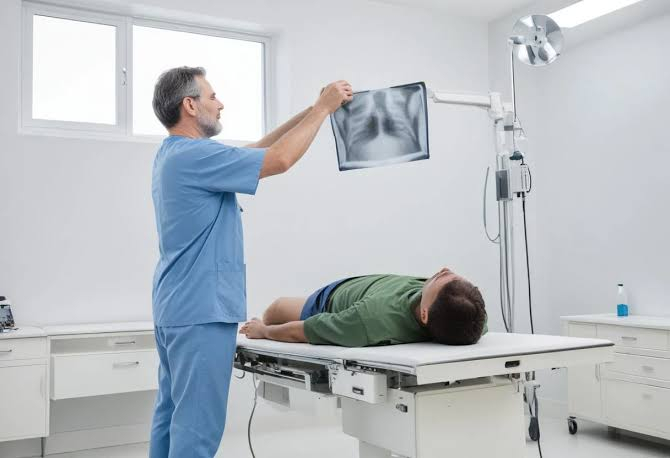
Limited X-Ray Machine Operator Requirements by State
A limited X-ray machine operator (LXMO) takes basic X-rays, such as the chest, arms, legs or spine, usually in urgent […]
A limited X-ray machine operator (LXMO) takes basic X-rays, such as the chest, arms, legs or spine, usually in urgent […]
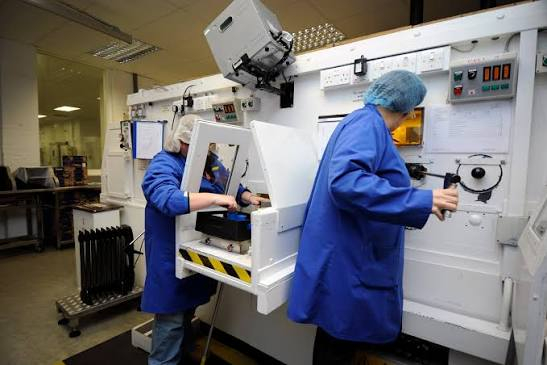
Quick answer: A radiopharmaceutical, or tracer, is a tiny amount of a radioactive atom attached to a molecule chosen because […]

Quick answer: The full-body scanners used at U.S. airport security today are millimeter wave scanners, which use low-energy radio waves, […]
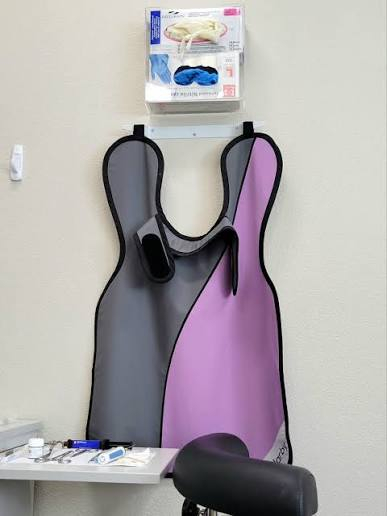
Quick answer: If you didn’t get a lead apron or shield during your X-ray or CT, it’s not a mistake. […]

Quick answer: No. MRI uses a strong magnet and radio waves, and ultrasound uses high-frequency sound waves. Neither uses ionizing […]
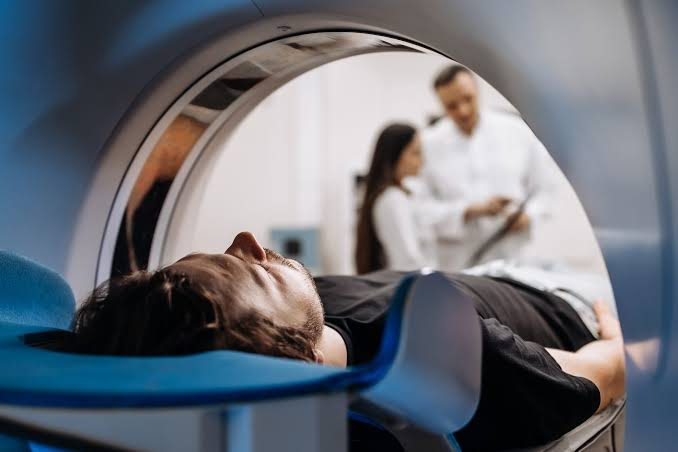
Quick answer: There’s no set number of CT scans that’s «too many» for a patient. Radiation dose limits exist for […]

Quick answer: Children are more sensitive to radiation than adults and have more years ahead of them, so their imaging […]

Quick answer: A CT scan during pregnancy is usually safe for the baby when it’s medically needed. According to the […]
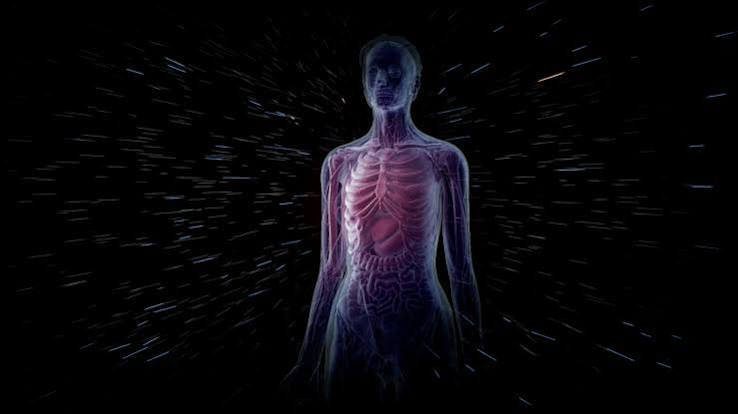
Quick answer: Use the calculator below to add up the approximate radiation from the scans you’ve had, such as CT […]
Quick answer: A typical CT scan gives an effective dose of about 1.5 to 9 millisieverts (mSv), depending on the […]