
Your Usual Medications Before a Scan: Questions to Ask Your Doctor
Quick answer: For most X-rays, CT, MRI and ultrasound scans, you can take your usual medicines as normal. But some […]
Quick answer: For most X-rays, CT, MRI and ultrasound scans, you can take your usual medicines as normal. But some […]
Quick answer: You can usually keep breastfeeding after a CT scan with iodine contrast or an MRI with gadolinium contrast. […]
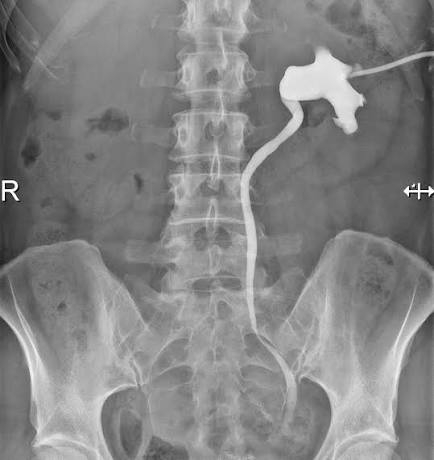
Quick answer: Contrast dye leaves your body through your kidneys, so before some CT or MRI scans with contrast, your […]

Quick answer: Iodine-based contrast is used for CT scans and some X-ray procedures. It blocks X-rays, so blood vessels and […]
Quick answer: Reactions to contrast dye are uncommon and usually mild, such as itching, hives or nausea. Serious reactions are […]

Quick answer: No. MRI uses a strong magnet and radio waves, and ultrasound uses high-frequency sound waves. Neither uses ionizing […]
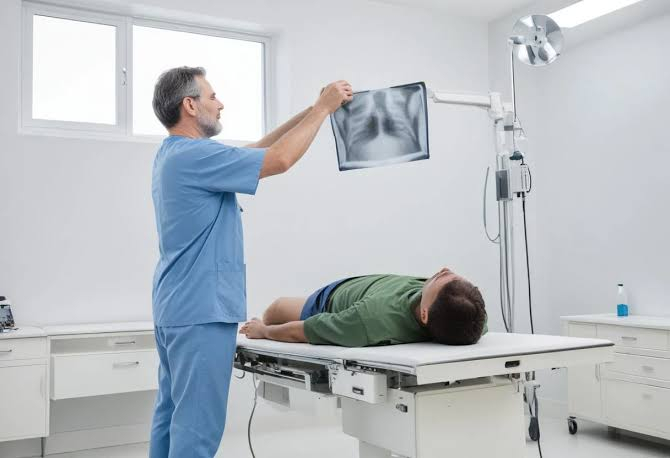
Quick answer: A typical CT scan gives an effective dose of about 1.5 to 9 millisieverts (mSv), depending on the […]

Quick answer: Yes. Most health insurance, including Medicare and Medicaid, covers an MRI when your doctor orders it and it’s […]

Quick answer: Without insurance, a routine screening mammogram in the U.S. usually costs $100–$300 at an imaging center, and a […]

uick answer: Without insurance, a standard whole-body PET/CT scan in the U.S. usually costs $1,300–$2,500 at an independent imaging center […]